ElevenLabs Music v2 Can Switch Genres Mid-Track. What Does That Actually Change?

By
Alexander Gran
Founder & Editor
ElevenLabs announced Music v2 on May 26, 2026. The primary technical capability is genre switching within a single generated track: a song can move from opera to heavy metal and back, sustain fast rap and dense lyrical delivery, and embed non-musical sound effects directly within the track — without breaking musical coherence.
Alongside the model release, ElevenLabs cut pricing: up to 50% reduction for ElevenAPI customers, and up to 40% for ElevenCreative self-serve customers.
What’s technically new in Music v2
Three capabilities stand out:
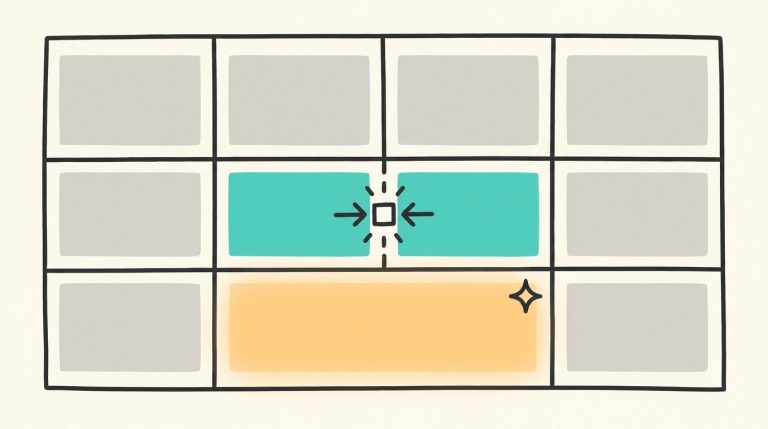
Genre switching and style control. Previous music generation models typically locked you into a consistent style. Music v2 allows significant variation within a single track — transitioning between musical styles while maintaining compositional coherence. The announced demonstration goes from opera to heavy metal, which suggests the range is genuine rather than slight tonal variation.
Inpainting. You can select any section of a generated track and regenerate just that section without touching the rest. This is the audio equivalent of inpainting in image generation: you can change the bridge without affecting the chorus, fix a verse while preserving a hook, or adjust a specific 10 seconds without rebuilding the whole track.
Section-by-section composition. Rather than generating short clips, Music v2 supports building a complete song structure — intro, verse, chorus, and bridge — maintaining continuity throughout. This reduces the limitation of earlier models that produced standalone clips rather than full structured compositions.
Three platforms, different use cases
ElevenLabs operates three distinct products powered by Music v2:
- ElevenMusic — consumer/creator interface for generating, remixing, and listening to tracks
- ElevenAPI — developer access for embedding music generation in products, with programmatic control over generation, inpainting, and reference matching
- ElevenCreative — downloadable music for ads, branded content, and video, aimed at marketers and production teams
The pricing reduction matters differently for each: API customers building products see lower cost per generation; ElevenCreative self-serve customers building content libraries see lower per-track cost.
What this changes for creators and marketers
The inpainting and genre-switching features have practical value for two specific workflows:
Marketing and brand content. Teams producing video content, ads, or social media often need music that fits specific sections — an energetic intro, a softer middle section, a punchy outro — in one track. Previously this required stitching together separately generated clips or licensing multiple tracks. Inpainting and section composition reduce that workflow friction.
Iterative audio production. For creators who generate, listen, identify one problem section, and want to fix only that, inpainting is a meaningful improvement over regenerating entire tracks. It moves music generation closer to how a producer actually works with audio.
What to verify before integrating
Before using Music v2 for commercial content, verify two things on ElevenLabs’ current terms:
Licensing and commercial rights. Generated music ownership and commercial use rights vary by plan and have changed historically. Confirm current terms for your specific plan before using tracks in client work, advertising, or monetized video.
API pricing for scale. The announced 50% API price reduction is meaningful for high-volume use. Check current per-credit pricing on the ElevenLabs pricing page, as rates may change after the launch announcement period.
Who this matters for, who can ignore it
Worth evaluating: small video production teams, social media managers who produce music-backed content regularly, developers building apps that need background music generation, and brands producing high volumes of short-form video content.
Can safely ignore for now: teams that don’t produce audio or video content, and teams satisfied with existing licensed music libraries (Epidemic Sound, Artlist, and similar). Music generation tools and licensed music libraries serve different needs — generation is for custom or iterative production; licensed libraries are for reliable, cleared, production-ready tracks at low volume.